Housing Associations
What Smarter Energy Could Mean for Housing Association Residents
Technology programmes in social housing succeed or fail on how they are explained. This is what a Kettle pilot looks like from the resident's side of the front door.
By Kettle Energy, Editorial team6 min read
Most of what is written about energy flexibility is written for the industry. It talks about assets, aggregation and dispatch. Very little of it is written for the person who will actually have the equipment in their home, and who quite reasonably wants to know three things: what is being installed, what will change, and who is responsible if something goes wrong.
What is installed
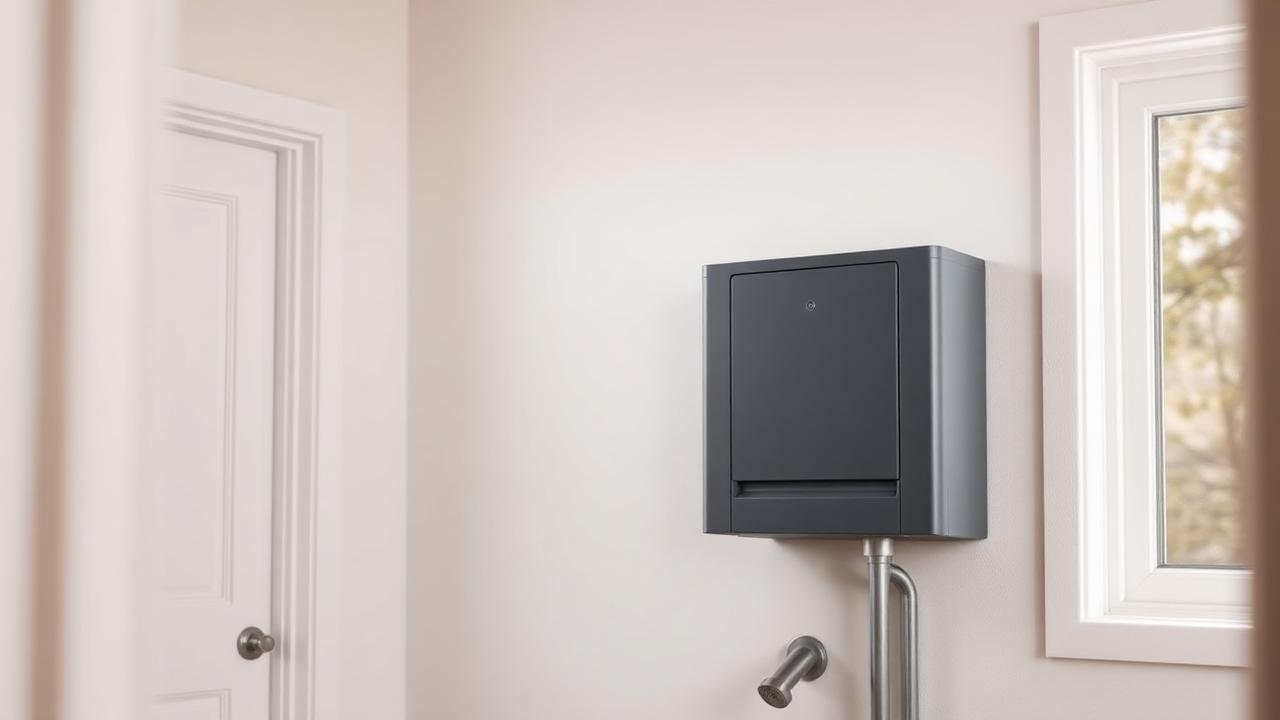
A wall-mounted battery unit, typically in a hallway cupboard, utility area or garage, plus a small controller connected to the property's broadband or a mobile connection. Installation is carried out by qualified electricians, takes a few hours, and requires a short planned interruption to the power supply.
What changes day to day
- Nothing about how appliances are used. There is no need to run the washing machine at unusual hours.
- Electricity is drawn from the battery at peak times instead of directly from the grid.
- The battery recharges automatically overnight, when electricity is cheapest and cleanest.
- If the battery is empty, the home draws from the grid exactly as it always did.
“If a resident has to think about it, we have designed it badly.”
What data is collected, and what is not
A pilot needs half-hourly electricity consumption data to establish whether it worked. It does not need to know which appliances were used, who was home, or anything about the household beyond the total electricity drawn. Data protection responsibilities should be documented before any installation, with the landlord and Kettle each clear about their role.
What landlords should insist on
- A written measurement framework agreed before installation, including how the baseline is set.
- Clear resident communications that a non-technical reader can follow.
- Named responsibility for maintenance, faults and out-of-hours issues.
- An agreed exit route if the pilot does not deliver what was hoped.
Kettle is at prototype stage. We would rather agree these things in writing at the start of a pilot than discover a disagreement halfway through one.
Important notes
- Participation in any pilot is subject to eligibility, survey and contract.
- Nothing here is a guarantee of savings.